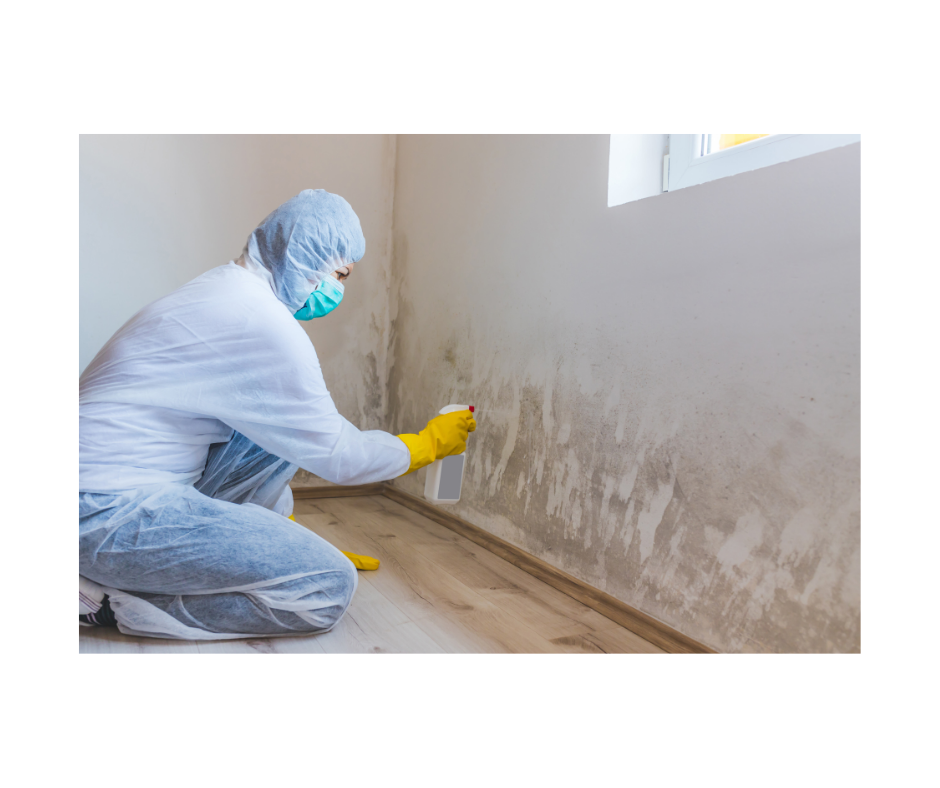
Musty odors and visible growth in East Hampton are signs to act. Crews assess the extent, contain the area, and remove mold safely. A restoration referral service. Your call is connected to a licensed, insured crew near you.
Crews locate the moisture source, contain the affected area, and remove contamination — addressing the cause, not just the surface. A restoration referral service. Your call is connected to a licensed, insured crew near you.

Call now to talk with an expert, schedule service, or get a quote.
516-940-5510East Hampton (11937) sits in the East End's Hamptons area, with Amagansett, Wainscott and Montauk nearby. Seasonal homes that sit closed up are a common setting for hidden mold on the East End.
Extended outages after storms such as Isaias in 2020 leave basements without dehumidification, which gives mold an opening. Soaked insulation and drywall are the most common sources of mold after a storm. Drying and dehumidification afterward are what keep mold from returning in a damp coastal setting.
Knowing these local patterns helps crews in East Hampton check the likely hiding spots, not just the visible staining.
Crews also serve nearby Amagansett, Wainscott and Montauk. Crews also handle water damage in East Hampton and fire and smoke damage in East Hampton.
The process includes containing the area, removing contaminated materials, HEPA cleaning, and confirming the result.
Often yes for contained jobs, but larger projects may call for staying elsewhere temporarily. Crews will say what makes sense once the scope is clear.
Yes. Closed houses with no airflow or dehumidification can grow mold quickly, especially in humid weather.
Crews schedule mold assessments quickly, prioritizing cases tied to active leaks or flooding.
Recurrence is tied to moisture. When the source is fixed and humidity is controlled, mold is much less likely to return.